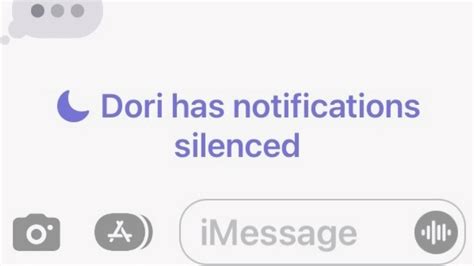
Notifications Silenced
Many of us have found ourselves in situations where notifications are silenced, yet there’s an urgent need to be alerted for something important. This guide aims to tackle that issue head-on, providing step-by-step guidance, real-world examples, and practical solutions to ensure you don’t miss crucial updates. Whether you’re dealing with silenced notifications on your smartphone, tablet, or computer, we’ve got you covered.
Immediate Action: Why Notifications Are Silenced and How to Fix It
When notifications are silenced, it’s not just a minor inconvenience—it’s a significant disruption that can lead to missed messages, alerts, and notifications crucial for work, safety, and personal communication. It’s essential to understand why notifications might be turned off and what steps can be taken to restore them. This guide focuses on practical, user-friendly solutions to get your notifications back on track.
Let's dive into immediate actions and long-term strategies to solve the problem of silenced notifications:
Quick Reference
Quick Reference
- Immediate action item: Check your notification settings to see if Do Not Disturb mode is enabled and disable it.
- Essential tip: Learn how to adjust settings to prioritize important notifications and configure them to ensure you don’t miss critical alerts.
- Common mistake to avoid: Not customizing app-specific notification settings, which can lead to missed updates from key apps.
How to Fix Silenced Notifications on Your Smartphone
Smartphones often have multiple layers of notification settings. Below is a detailed guide to help you troubleshoot and resolve the issue:
Step-by-step guide:
- Check Do Not Disturb Mode: First, ensure that Do Not Disturb mode is not enabled. To do this, swipe down from the top of the screen to access the Quick Settings panel. Look for a moon icon indicating Do Not Disturb mode and tap it to disable.
- Review Notification Settings: Next, navigate to your device’s notification settings. For Android, this can be found under Settings > Apps & notifications > Notifications. For iPhone, go to Settings > Notifications. Here, you can adjust settings to ensure you receive alerts.
- App-Specific Notification Settings: Many apps have their own notification settings. Go through each app you deem important and make sure notifications are turned on. For instance, in Android, select the app, tap on Notifications, and ensure all critical notifications are enabled. On an iPhone, you can go to Settings > [App Name] > Notifications and toggle the necessary settings.
- Customize Notification Channels: On Android, especially with newer versions, notifications are categorized into channels. Ensure that the important channels for your apps are enabled. This can be found under Settings > Apps & notifications > App info > [App Name] > Notifications > Notification channels. Toggle the desired channels on.
- Restart Your Phone: Sometimes, the simplest solution is the most effective. Restarting your phone can resolve underlying issues with notification settings.
By following these steps, you should be able to get your smartphone notifications back on track without missing crucial updates.
How to Fix Silenced Notifications on Your Tablet
Tablets also run various operating systems, often mirroring smartphone configurations but with unique settings. Here’s how to tackle silenced notifications on tablets:
Step-by-step guide:
- Check Do Not Disturb Mode: Swipe down from the top of the screen to access the Quick Settings panel. Look for the Do Not Disturb icon and tap it to disable if enabled.
- Navigate to Notification Settings: Go to Settings > Notifications. Adjust your settings to ensure notifications are turned on for the desired apps.
- Configure App-Specific Settings: Similar to smartphones, tablets have app-specific notification settings. For Android tablets, navigate to Settings > Apps & notifications > Notifications. Select the app and ensure notifications are enabled. For iOS tablets, go to Settings > Notifications > [App Name] and toggle the settings to enable notifications.
- Customize Notification Channels: On Android tablets running newer versions of Android, ensure notification channels for your apps are active. Go to Settings > Apps & notifications > App info > [App Name] > Notifications > Notification channels and toggle the relevant channels on.
- Restart Your Tablet: Restarting your tablet can often resolve underlying issues with notification settings.
How to Fix Silenced Notifications on Your Computer
Computers, especially those running Windows, macOS, and other operating systems, also have their own sets of notification settings. Here’s how to address the issue on different platforms:
Step-by-step guide:
- Windows Notification Settings: Click on the system tray at the bottom right of the screen. If you don’t see notifications, click on the upward arrow to expand and check if the Notifications toggle is turned on. If it’s disabled, toggle it on. Also, navigate to Settings > System > Notifications & actions and ensure all relevant settings are enabled.
- macOS Notification Settings: Go to System Preferences > Notifications. Here, you can see a list of apps and their notification settings. Ensure the apps you want to receive notifications from are listed and their notifications are turned on.
- Third-Party Software: If you’re using third-party software, such as Slack or Microsoft Teams, ensure that their notification settings are enabled. Navigate to the settings within the app to enable desktop notifications.
- Browser-Specific Notifications: Browsers also have their own notification settings. For instance, in Google Chrome, go to Settings > Privacy and security > Site Settings > Notifications. Ensure the websites you want to receive notifications from are listed and have permission to send you notifications.
- Restart Your Computer: A restart can often resolve deeper issues with notification settings, making sure that any temporary glitches are cleared.
Practical FAQ
Why are my notifications still silenced even after enabling them?
There could be several reasons. First, ensure that you’ve gone into each app’s specific settings to turn on notifications. Also, verify that any additional notification channels or preferences are enabled. Sometimes, the operating system or device has layers of settings that need thorough review. Moreover, check for any software updates that may impact notification functionality. If the problem persists, a device restart or resetting the app’s notification settings can help.
How can I prioritize certain notifications?
To prioritize notifications, you can use features like Focus Mode or Do Not Disturb with custom schedules and exceptions. On Android, go to Settings > Apps & notifications > Notifications > Advanced > Default notification behavior. On iPhone, go to Settings > Notifications and choose the app, then set priority. Additionally, some apps have built-in features for prioritizing notifications based on sender or message content.
Can I mute notifications temporarily?
Yes, both Android and iOS devices offer temporary mute options. On Android, you can use Do Not Disturb mode with customized settings to allow certain types of notifications during specific times. On iOS, you can schedule Do Not Disturb to turn on automatically at certain times, such as during sleep hours, while still allowing critical alerts to break through.
By following the steps outlined in this guide, you can ensure that you never miss a crucial notification again. Remember to review your notification settings regularly to keep them up to date with your changing needs and habits. Happy, interruption-free staying connected!